Four elderly adults and two children playing together on a grassy lawn in a wooded backyard.

Therapy That Adapts to Your Life

Specialized speech and swallowing care for adults, delivered in your home, our office, or online.
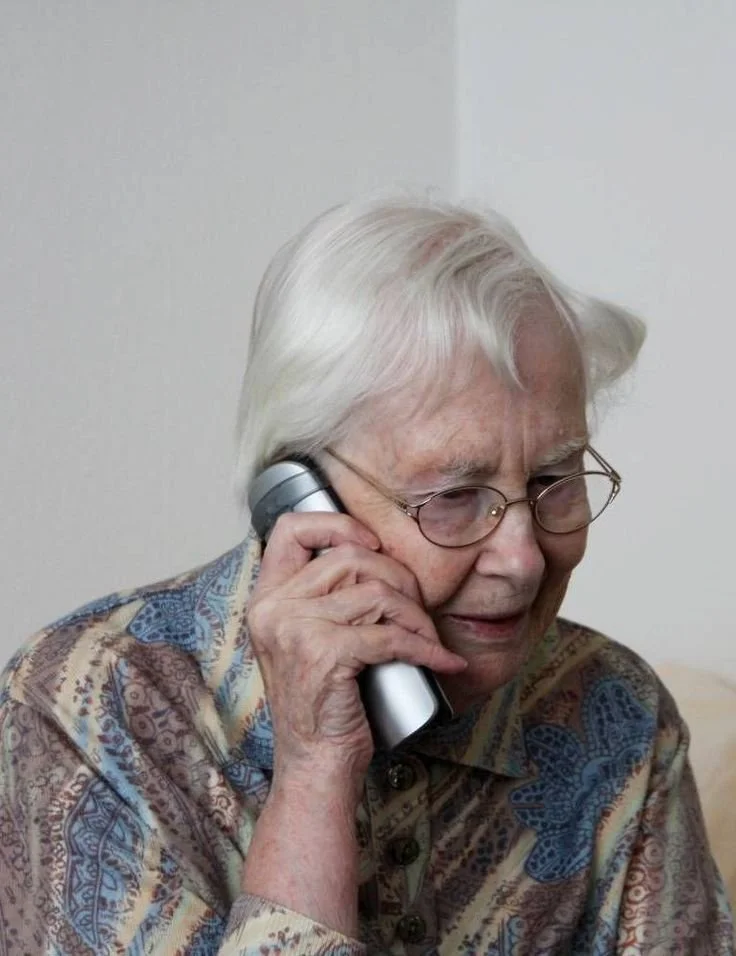
  • Adult patient strengthening voice during therapy for Parkinson's hypophonia
  • Senior adult with dysphagia practicing safe swallowing techniques with speech therapist
  • TBI patient improving cognitive-communication skills with board-certified SLP
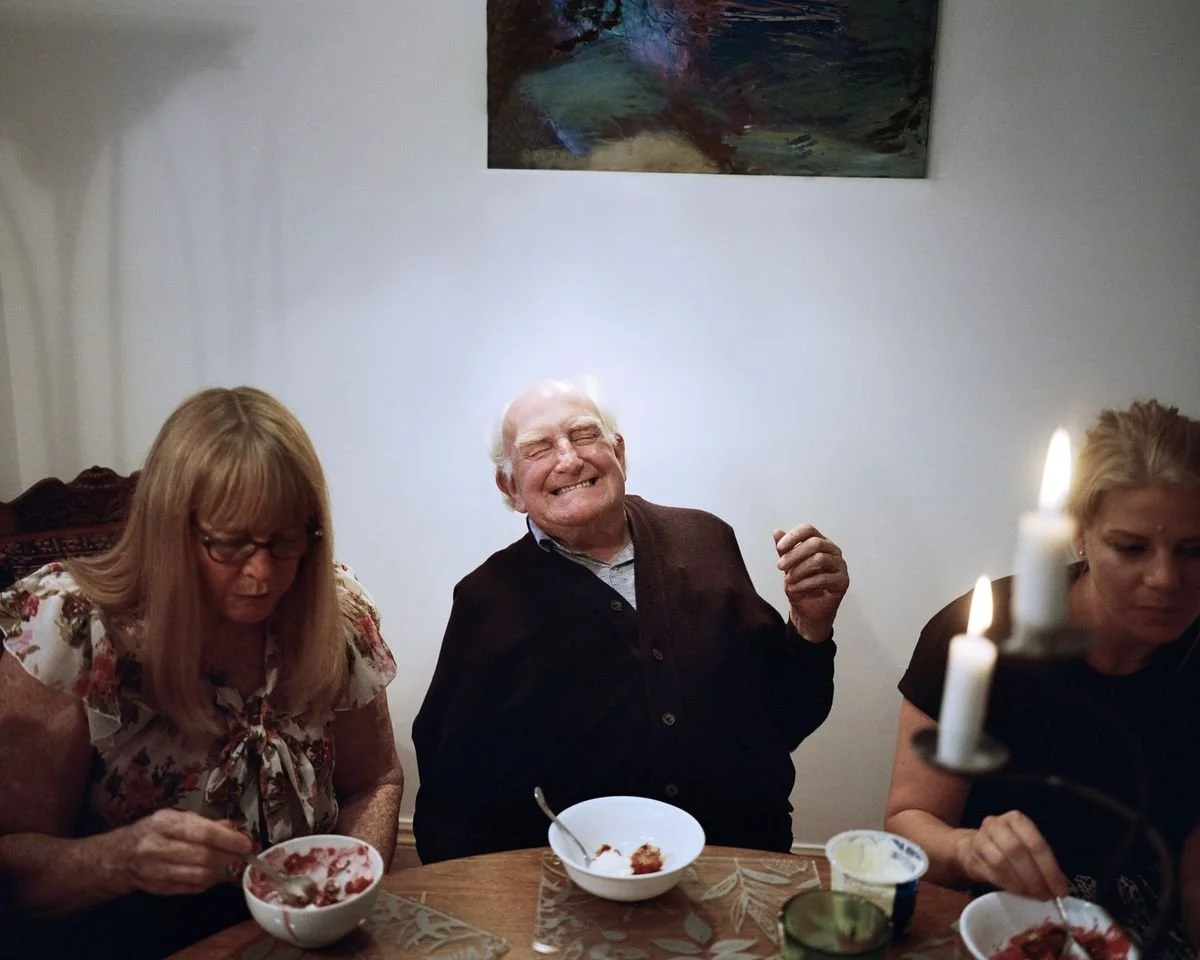
  • Senior eating meal safely after swallowing therapy treatment

When Every Meal Feels Dangerous

Remember when eating was just... eating? Not a source of fear. Not something that made your family watch you with worried eyes.

Imagine this instead:
You're sitting at Thanksgiving dinner. There's turkey on your plate—real turkey. You take a bite. It goes down safely. Your daughter stops watching you with that worried look. You're part of the conversation.

We work with:

〰️

Post-stroke dysphagia

〰️

Progressive neurological conditions

〰️

Aspiration pneumonia

〰️

Unexplained swallowing difficulties

〰️

Feeding disorders

We work with: 〰️ Post-stroke dysphagia 〰️ Progressive neurological conditions 〰️ Aspiration pneumonia 〰️ Unexplained swallowing difficulties 〰️ Feeding disorders

Two elderly people cooking and preparing greens together in a dining room.

How we get you there:

  1. Comprehensive clinical swallowing evaluation

  2. Immediate safety strategies (textures, positioning, compensatory techniques)

  3. Therapeutic exercises to strengthen swallowing muscles

  4. Caregiver training for mealtime safety

  5. Coordination with your medical team

Book a Free Swallowing Consultation
  • TBI patient working on cognitive-communication skills with therapist
  • Brain injury survivor practicing attention strategies during therapy
  • Adult with TBI using memory compensation techniques
  • An elderly woman using a walker outdoors in a lush, green setting

Finding Yourself Again After Everything Changed

The stroke took something from you. Maybe words. Maybe speech clarity. Maybe the ability to swallow safely. Maybe all of it.

Imagine this instead:
Six months from now, you're on the phone with your daughter. You're having an actual conversation—back and forth, laughing, saying what you mean.

A young man helping an elderly woman stand up in a bedroom with sunlight streaming through a window behind them.

We address all of it:

For Aphasia: Word-finding strategies, alternative communication, rebuilding language, family education

For Dysarthria: Speech muscle strengthening, breath support, rate strategies, making you more intelligible

For Post-Stroke Dysphagia: Everything under swallowing disorders, specifically tailored to stroke recovery patterns

For Cognitive-Communication: Attention, memory, problem-solving, conversation skills

Book a Free Post-Stroke Consultation
  • TBI therapy focusing on executive function and problem-solving
  • Speech therapist helping brain injury patient with social communication
  • Cognitive rehabilitation session for traumatic brain injury patient
  • Patient successfully producing clear speech after motor speech therapy

When You're Losing the Sound of Yourself

Your voice is you. It's how you comfort your grandchildren, close deals, say "I love you."

Now it's failing you. Hoarse. Weak. Nothing like yourself.

Imagine this instead:
You answer the phone and your granddaughter recognizes you immediately. Your voice is strong enough. You talk for twenty minutes and your voice doesn't give out.

A woman with a surprised or shocked expression, mouth open and eyes wide, wearing a black and white striped top, pearl earrings, and a necklace, standing against a plain background.

We address all of it:

  • Vocal quality changes

  • Reduced loudness Dysarthria

  • Parkinson's hypophonia

  • Vocal strain

  • Neurological voice disorders

Book a Free Voice Consultation
  • Adult with apraxia practicing speech motor planning with therapist
  • Adult improving speech clarity after stroke with apraxia treatment
  • SLP using tactile cues for apraxia of speech therapy
  • Patient successfully producing clear speech after motor speech therapy

When Your Brain Isn't Working the Way It Used To

You look fine. That's the problem. Everyone expects you to be normal. But following conversations feels like trying to hear through static.

A woman with curly dark hair covering her face with her hand, seated indoors. Another person with light skin, wearing a tan blazer, is placing a comforting hand on her shoulder.

We work on what matters:

  • Attention strategies

  • Memory systems

  • Organization

  • Social communication

  • Executive function

Book a Free Cognitive Consultation
  • An elderly man with glasses sitting at a piano in a room decorated with several potted plants and vases of flowers, near a window with lace curtains.
  • Auditory processing therapy improving conversation comprehension
  • Adult practicing listening strategies for auditory processing challenges
  • APD therapy session focusing on following directions

When Your Mouth Won't Do What Your Brain Tells It To

The words are RIGHT THERE in your brain. But somewhere between your brain and your mouth, everything falls apart.

Stroke survivor confidently communicating after aphasia therapy

We create clarity through:

  • Targeted articulation therapy

  • Motor planning for apraxia

  • Dysarthria strengthening

  • Evidence-based techniques

Book a Free Speech Consultation
  • SLP working on auditory memory skills with patient
  • Adult with FND working on swallowing therapy with understanding therapist
  • Patient with functional neurological disorder receiving compassionate speech therapy
  • Functional neurological disorder therapy session in supportive environment

When Hearing Is Fine But Understanding Is Hard

Your hearing test is normal. But you can't understand people in restaurants. Following conversations is exhausting.

A young woman kissing an elderly woman on the forehead outdoors.

We help you:

  • Develop strategies for processing in noise

  • Strengthen processing speed

  • Build compensatory techniques

Book a Free Auditory Processing Consultation
  • Adult with dysarthria improving speech clarity during therapy
  • Stroke survivor working on speech recovery with therapist
  • Aphasia therapy session using word-finding strategies
  • SLP conducting post-CVA cognitive-communication assessment

When Your Symptoms Are Real But the Cause Is Complex

Your symptoms are real. The difficulty swallowing, speaking, it's all real. You need someone who understands that FND requires specialized, compassionate care.

A man sitting at a dining table with his chin resting on his hand, looking towards the camera. The table has a vase with white tulips, a pair of sunglasses, and a small bowl. The setting appears to be a bright, modern kitchen or dining area with minimalist decor.

We work collaboratively with your medical team, respecting the complexity while providing practical therapy.

Book a Free Consultation